
Top stories in Nova Scotia
Roll Up to Win confusion: Cape Bretoners disappointed after Tim Hortons email mistake
Updated 2 hours ago
|6 min read

Poached elvers still getting exported despite DFO busts and closed season
Updated 16 hours ago
|5 min read

Value for money: Halifax resellers warn of the dark side of vintage shopping
Updated 15 hours ago
|7 min read
AMANDA MCDOUGALL-MERRILL: Homelessness in CBRM reason for concern
Updated 2 hours ago
|5 min read
East Hants man pleads guilty to sexual interference, child porn charges
Updated 7 minutes ago
|2 min read
Local
MorePoached elvers still getting exported despite DFO busts and closed season
Updated 16 hours ago
|5 min read
East Hants man pleads guilty to sexual interference, child porn charges
Updated 7 minutes ago
|2 min read

Dalhousie-led study reveals biggest branded waste producers
Updated 17 hours ago
|4 min read
Still no estimates on what greening N.S. grid will cost ratepayers and taxpayers
Updated a day ago
|5 min read
Two recent deaths near Portapique still not explained: ‘I know I keep my door locked’
Updated a day ago
|5 min read
Opinion
More
MICHAEL de ADDER CARTOON: Alice in Trudeauland
Michael de Adder's editorial cartoon for Thursday, April 25, 2024.
Updated 16 hours ago
|1 min read
LETTERS: P.E.I. letter writers seek protection for people and the planet
Updated 17 hours ago
|2 min read

COMMENTARY: UPEI's fair treatment policy is anything but
Updated 19 hours ago
|4 min read
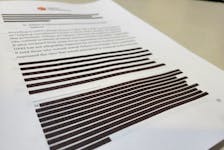
VOICE OF THE PEOPLE: Dear DFO, save Dartmouth Cove
Updated 18 hours ago
|4 min read
AMANDA MCDOUGALL-MERRILL: Homelessness in CBRM reason for concern
Updated 2 hours ago
|5 min read
Rick Mercer on rants, writings, and road trips
Updated 1 hour ago
|1 min read
Business
More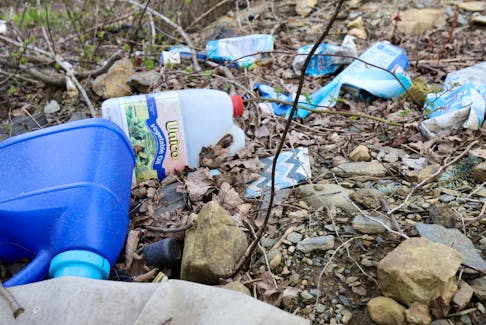
Roll Up to Win confusion: Cape Bretoners disappointed after Tim Hortons email mistake
Updated 2 hours ago
|6 min read
Poached elvers still getting exported despite DFO busts and closed season
Updated 16 hours ago
|5 min read
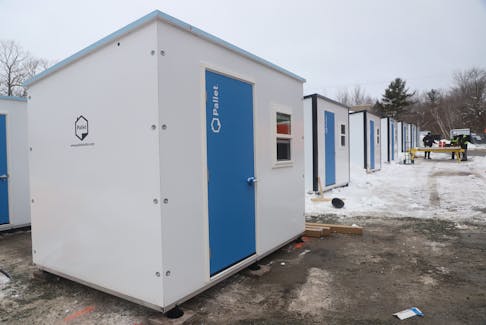
CBRM seeks land-use bylaw change for supportive housing units
Updated a day ago
|5 min read
St. John's Pilates studio helping those with Parkinson's: Classes offered free to those with the disease to help keep people moving
Updated 22 hours ago
|6 min read
Lifestyles
More
PAUL SMITH: What's the best bet for raincoats? Plenty of good options for outdoor enthusiasts in N.L.
Updated 58 minutes ago
|9 min read

Value for money: Halifax resellers warn of the dark side of vintage shopping
Updated 15 hours ago
|7 min read

Daily horoscope for Apr. 25, 2024
Updated 11 hours ago
|2 min read
Baseball NL wants more players and communities to 'Step Up to the Plate'
Updated 18 hours ago
|2 min read
Scary, exciting times: Some first-time buyers perservering despite frustrating market challenges
Updated 18 hours ago
|5 min read
Sports
More
Goalie Jorja Burrows stands tall as Northern Selects win second straight at Esso Cup
Updated a day ago
|2 min read

Atlantic All-Star event in Halifax will showcase the region's top female basketball players
Updated a day ago
|4 min read

50th edition of Skate Canada International coming to Halifax in October
Updated a day ago
|1 min read
NLL: Thunderbirds playoff ready? Record crowd watches Halifax defeat Colorado in regular-season finale
Updated Apr. 21, 2024
|5 min read
CEBL's Calgary Surge install St. F.X. bench boss Tyrell Vernon as new head coach
Updated Apr. 21, 2024
|4 min read
Communities
MorePictou’s new Cultural Hub slotted to open September this year: ‘It’s going to be amazing for the community to see what’s been created here’
Updated 22 hours ago
|7 min read

WENDY ELLIOTT: Music Festival Week brings joy, promotes learning to Wolfville, N.S.
Updated a day ago
|5 min read

‘It’s worth saving’: Province invests $1.16 million into renovations at Mermaid Theatre in Windsor, N.S.
Updated 23 hours ago
|5 min read
Two recent deaths near Portapique still not explained: ‘I know I keep my door locked’
Updated a day ago
|5 min read
Province invests in West Hants, N.S., water upgrades amid ‘unprecedented growth’
Updated a day ago
|5 min read
Canada
More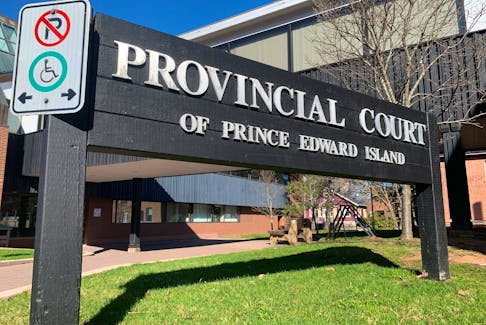
P.E.I. woman gets jail for break-in offences
A P.E.I. woman believed to have been on drugs and hallucinating when she broke into a Charlottetown home looking for her gun and instead took a resident's car keys has been sentenced for that and other offences.
Jacqulyn Veronica Richard, 32, pleaded ...
Updated 15 minutes ago
|3 min read
TSX futures fall on downbeat earnings
Updated 26 minutes ago
|2 min read

Moncton woman charged in human trafficking investigation, missing women saved
Updated 25 minutes ago
|2 min read

Mount Pearl lawyer Andrew J. Martin disbarred after lying to client, creating fake email to remove himself from file
Updated 1 hour ago
|3 min read
City of Summerside launches grant to help support vulnerable residents
Updated 1 hour ago
|2 min read
Three generations strong: P.E.I. lobster fishing family gears up for spring season
Updated 1 hour ago
|8 min read
World
More
Lawyers seek UN help for release of American held by the Taliban
Updated 9 minutes ago
|3 min read

Spanish prosecutor seeks dismissal of case against PM Sanchez's wife
Updated 18 minutes ago
|1 min read

Regeneron to collaborate on gene editing therapies with Doudna-founded Mammoth
Updated 19 minutes ago
|1 min read
Hungary's anti-fraud body calls for extended powers to monitor EU funds
Updated 27 minutes ago
|2 min read
Myanmar warlord at centre of battle for key border town
Updated 8 minutes ago
|4 min read
Recent Stories


Lula's South American summit plan unlikely in tense region, diplomats say
Updated 8 minutes ago
|3 min read
Lawyers seek UN help for release of American held by the Taliban
Updated 9 minutes ago
|3 min read
US agency to vote to restore net neutrality rules
Updated 11 minutes ago
|2 min read
P.E.I. woman gets jail for break-in offences
Updated 15 minutes ago
|3 min read